Youth-Led Renewable Energy Training and Community Solar Initiative
Project Summary
Project Description
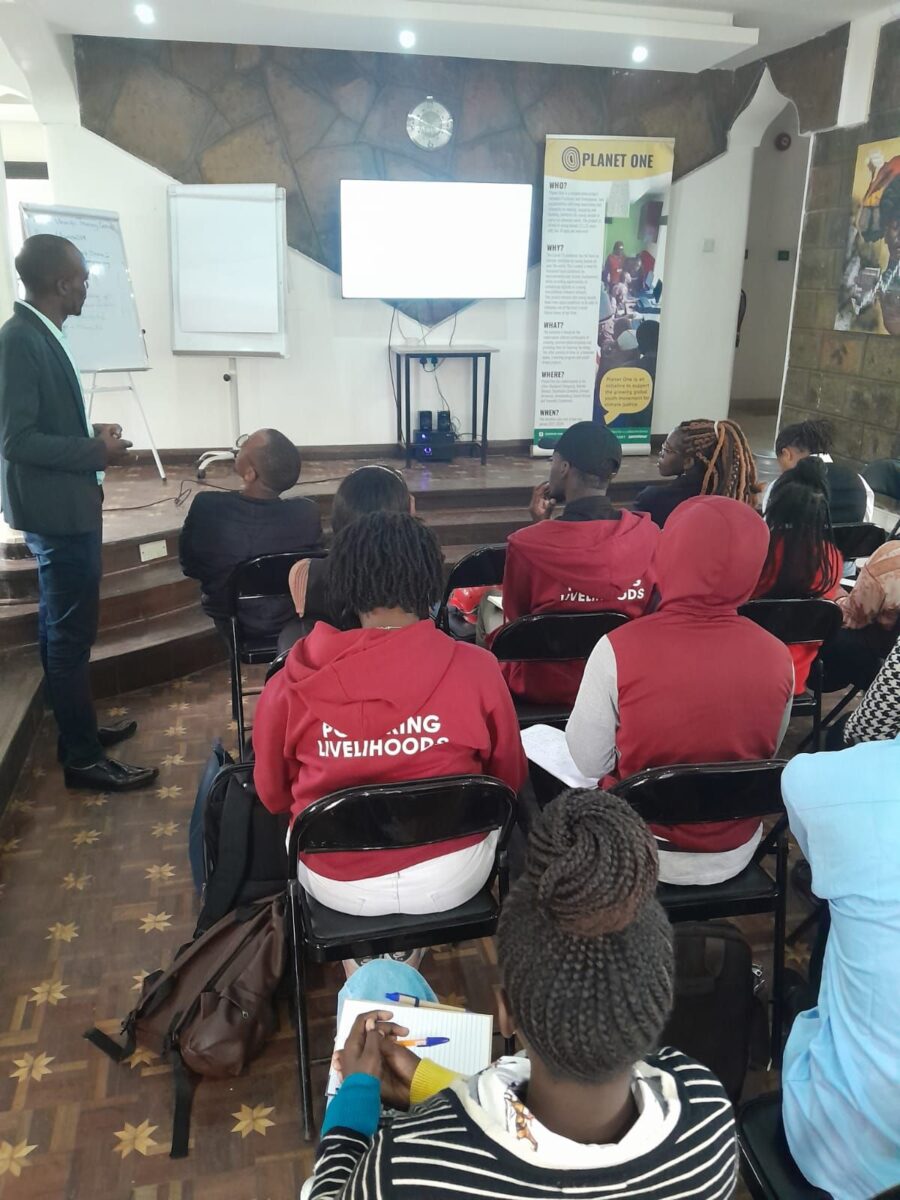
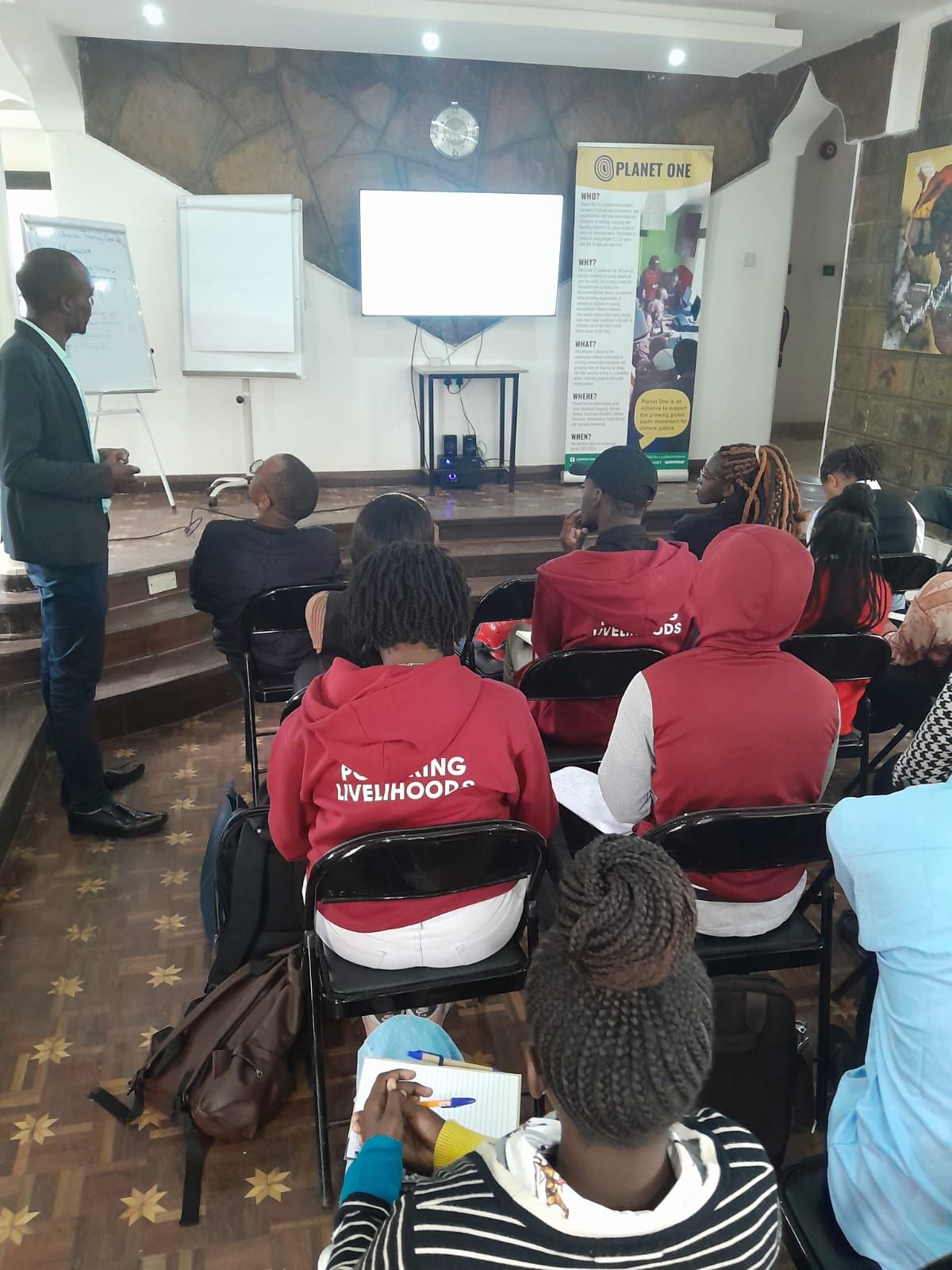
Implemented by the Torchbearer Institute of Technologies (https://torchbearer.co.ke/institute), this initiative tackles Kenya’s dual challenges of limited clean energy access and high youth unemployment. In operation for 1–3 years with a core team of 2–5 members, the project equips young people with hands-on skills in solar PV installation, system design, electrical maintenance, and safety, while also integrating entrepreneurship and business training. This prepares graduates not just for jobs, but for self-employment and leadership in the clean energy sector.
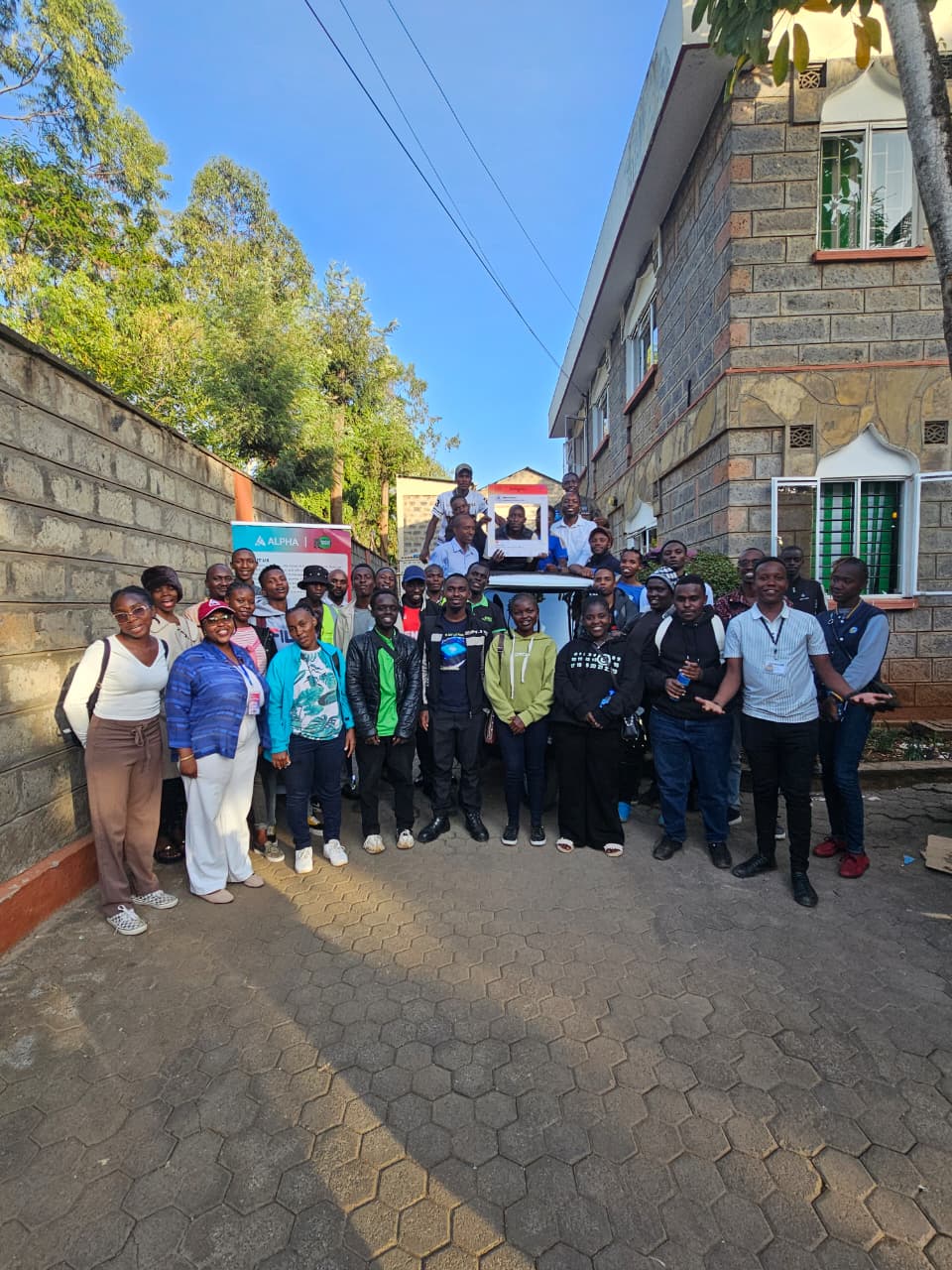
What sets this initiative apart is its youth-led, community-centred model. Trainees lead real-world installations at rehab centres and grassroots organizations where the grid is unreliable or absent. To date, over 14kW of solar capacity has been installed, cutting energy costs and improving reliability for partner institutions. Young participants gain leadership experience and peer-learning opportunities while making a tangible difference in their communities—an approach that advances SDG 7, alongside SDG 4, 8, and 13.
The Torchbearer Institute primarily funds the project through its own resources, training revenues, and small grants, with in-kind support from local NGOs offering training spaces, materials, and logistics. Major expenses include solar equipment, training supplies, transport, stipends, and monitoring. However, the project faces significant challenges: limited funding, fluctuating equipment costs, logistical difficulties reaching remote communities, trainee retention issues, and bureaucratic regulatory hurdles. Maintaining safety and quality standards also requires close supervision by skilled trainers.
Despite these obstacles, strong partnerships, flexible planning, and a focus on youth leadership keep the initiative moving forward. The model has proven effective and scalable, offering a pathway for replication across Kenya and beyond. By investing in this initiative, supporters help expand clean energy access while cultivating a generation of young leaders equipped to drive sustainable development.
Coordinators: Hadiza Abdulmumini, Cataleya Han
Disclaimer:
All content on this project page is the intellectual property of the respective project owner(s). Reproduction, duplication, or use of any part of this project without the explicit consent of the project owner is not permitted.