
Solar Backpack Project
Project Summary
Project Description
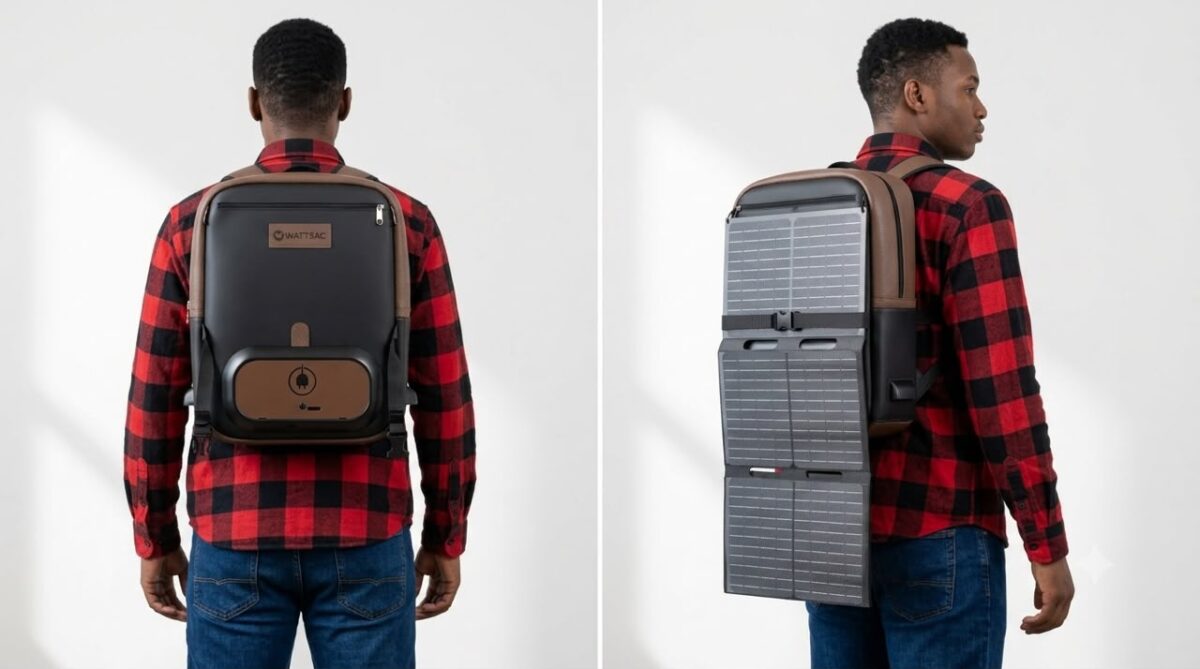
The Solar Backpack Project proposes to address the lack of reliable electricity for students and field workers in rural and peri-urban communities. The limited access to power in these areas makes it difficult to charge phones, tablets and other essential devices, restricting access to education, communication and digital services. The Solar Backpack is a portable backpack with an integrated solar panel and battery that generates and stores electricity while the user is on the move. The system includes a solar panel, a 10Ah battery, a charge controller and a boost converter, providing approximately 45Wh of storage that is enough to meet typical daily charging needs. The project is currently at the prototype stage, with a functional circuit successfully tested for charging mobile devices. To improve scalability and reduce production costs, the project is looking into replacing the prototype board with a custom printed circuit board.
Major expenses include solar panels, batteries, electronic components, prototype materials and PCB development. The project is currently self-funded with support from the Clean Technology Hub and shared technical resources. It is seeking additional funding through grants, innovation programmes and partnerships. Key challenges include limited access to advanced design and simulation tools, sourcing affordable high-quality components, and securing funding for prototyping and large-scale production. The long-term goal is to develop an affordable, scalable product that can be distributed through schools, NGOs and government programmes across Africa, improving access to both electricity and education.
Coordinators: Hadiza Abdulmumini, Cataleya Han
Disclaimer:
All content on this project page is the intellectual property of the respective project owner(s). Reproduction, duplication, or use of any part of this project without the explicit consent of the project owner is not permitted.