ETHNO-PROGRAM TO GUARANTEE REPRODUCTIVE RIGHTS IN INDIGENOUS PEOPLE, IN THE COLOMBIAN ANDEAN MOUNTAINS
Project Summary
Project Description
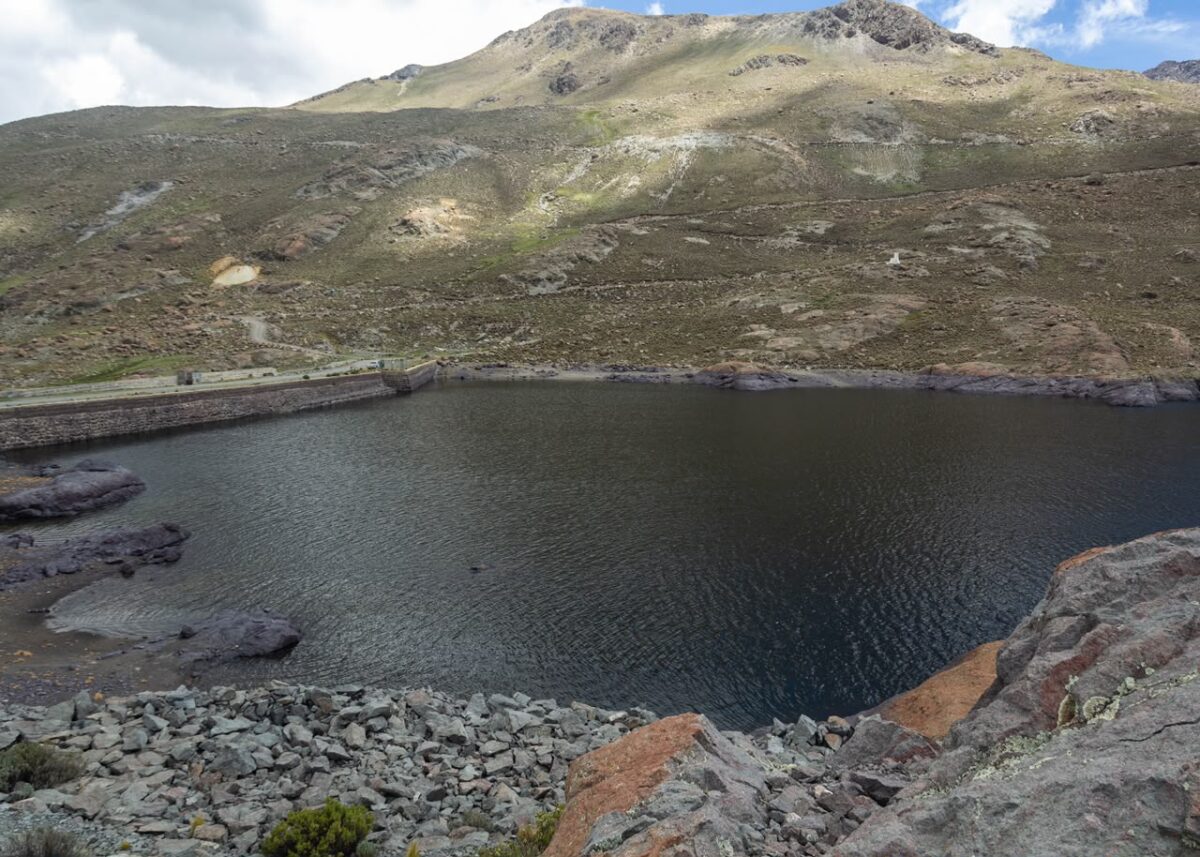
This initiative guarantees reproductive and sexual rights for 5,000 Indigenous women, girls, and LGBTI people in NARAKAJMANTA, Colombia, by installing a decentralized solar energy system at the region’s only Indigenous clinic.
Currently, the clinic relies on an obsolete diesel generator—inoperative since a 2023 flood—resulting in a 95% suspension of gynecological-obstetric services, including assisted births, obstetric emergencies, and voluntary termination of pregnancy (VTP) procedures. Without electricity, essential medicines (mifepristone, misoprostol, oxytocin) spoil, ultrasound and surgical lighting are unavailable, and maternal mortality has risen by 45% over three years. The solution involves installing 50 solar panels (600W/24V), providing 30 kWp of installed solar capacity, ensuring continuous energy, reducing fossil fuel dependence by 95%, and avoiding 50 tons of CO₂ annually.
Additionally, 300 families will be trained in system maintenance, and a community technical committee of 10 Indigenous youth will manage sustainability through a maintenance fund, aiming for 80% of technical faults to be resolved locally within the first year.
Revenue Model: Donations, prizes, grants.
Expenses: Solar PV equipment, installation, transport, training, monitoring, and administration.
Challenges: Cultural resistance from some senior male authorities limiting women’s participation, and extreme climate events (floods up to three months, droughts up to nine months) causing logistical delays.
Vision: To ensure uninterrupted, clean-energy-enabled reproductive health and safe abortion access for at least 25 years, anchored in Indigenous governance.
Long-term plans include establishing a permanent Indigenous Secretariat for Reproductive and Climate Resilience, training 100 Indigenous midwives, institutionalizing annual community campaigns, and replicating the model in allied communities.
● Full project: https://drive.google.com/file/d/1wlTkdCc1uDCDmy-94KksS5Tg5leqteDe/view?usp=sharing
● Project video: https://www.youtube.com/watch?v=fZRM2l7MGM8
This initiative guarantees reproductive and sexual rights for 5,000 Indigenous.
Coordinators: Hadiza Abdulmumini, Cataleya Han
Disclaimer:
All content on this project page is the intellectual property of the respective project owner(s). Reproduction, duplication, or use of any part of this project without the explicit consent of the project owner is not permitted.