
Direct Regeneration of End Of Life LFP in Lithium Ion Batteries
Project Summary
Project Description
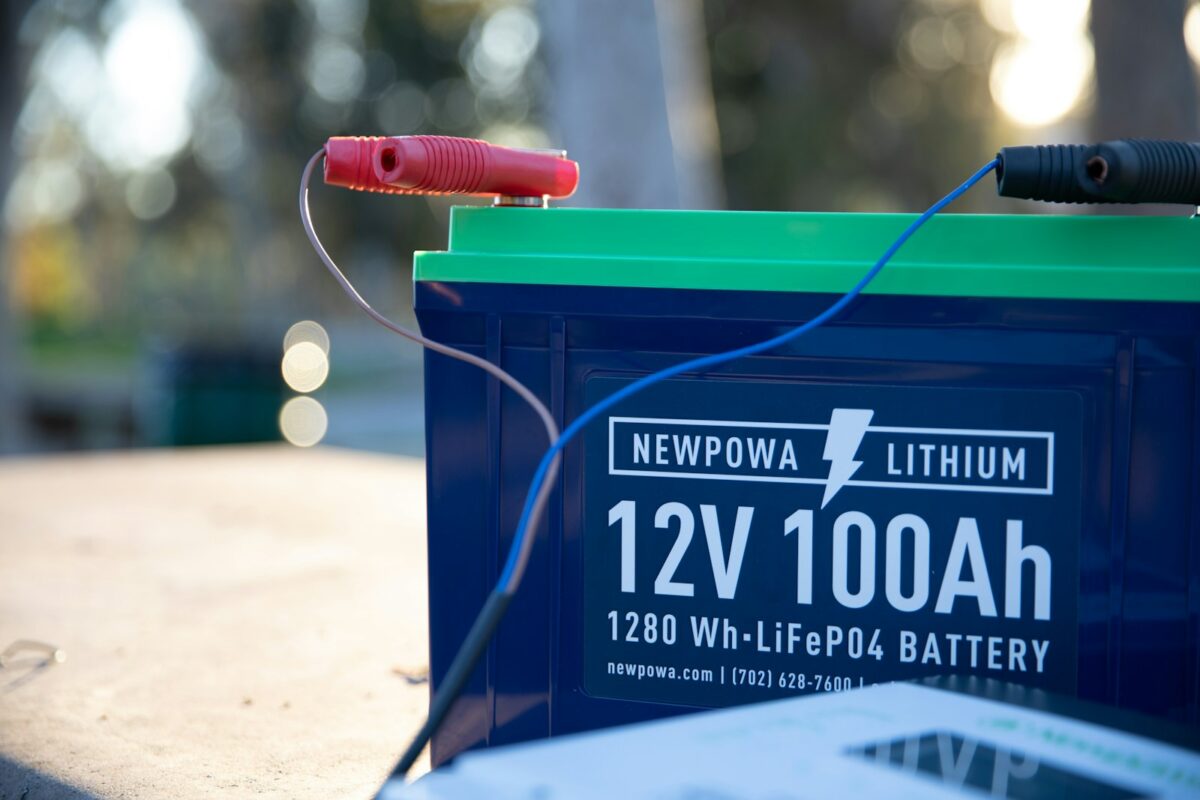
As lithium-ion batteries become more widely used for electric vehicles and renewable energy storage, managing end-of-life batteries sustainably is becoming an increasingly important challenge. Current recycling methods for lithium iron phosphate (LFP) batteries are often energy-intensive, rely on expensive chemicals, and destroy valuable battery materials.
The project focuses on developing a cost-effective method to directly regenerate lithium iron phosphate cathode materials while preserving their original structure and electrochemical performance. By restoring battery materials instead of fully recycling them into raw components, the approach aims to reduce energy use, minimize chemical inputs, and lower the environmental footprint of battery recycling. The aim is to improve the sustainability and affordability of energy storage systems that support renewable energy deployment.
The project is currently at the research stage and is supported through institutional laboratory facilities, equipment, and academic supervision. Major costs include laboratory materials, chemicals, electrode fabrication, characterization, and access to specialized research equipment. Future is sought through research grants, innovation programs, and partnerships with battery manufacturers and recycling companies. Key challenges include optimizing the regeneration process while balancing performance, cost, and environmental sustainability, as well as demonstrating that the technology can be scaled safely and economically for industrial use. The long-term goal is to integrate the regeneration process into commercial battery recycling operations, extending the life of battery materials, reducing demand for virgin raw materials, and strengthening the circular economy for renewable energy storage.
Coordinators: Hadiza Abdulmumini, Cataleya Han
Disclaimer:
All content on this project page is the intellectual property of the respective project owner(s). Reproduction, duplication, or use of any part of this project without the explicit consent of the project owner is not permitted.