
Youth-Led Solar Energy Access Initiative for Rural Malawi
Project Summary
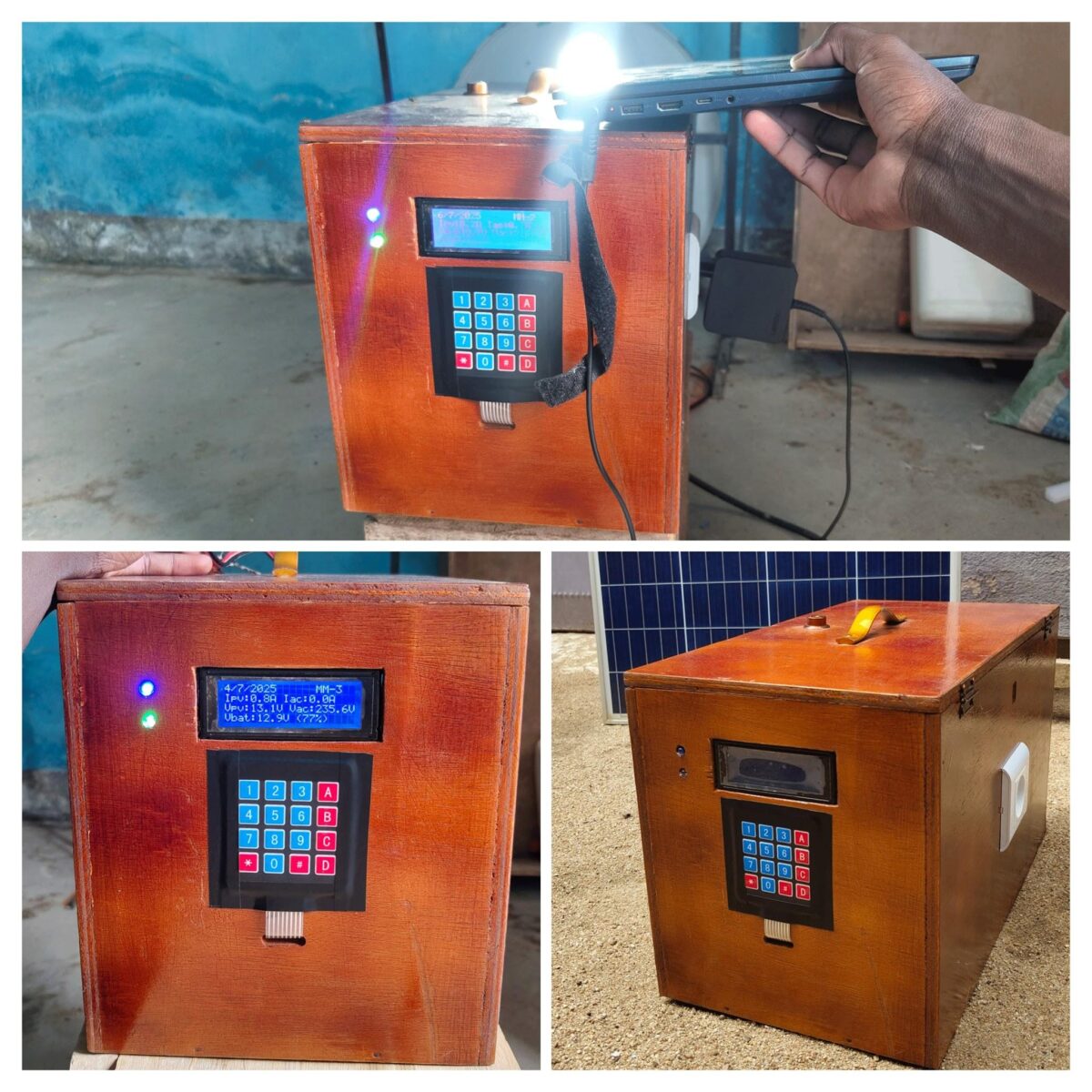
Project Description
This project addresses severe energy poverty in rural Northern Malawi, where electricity access in many districts remains below 15%. Most households rely on kerosene lamps, candles and firewood for lighting and basic energy needs, exposing families to high energy costs, indoor air pollution and unreliable energy services that limit education, healthcare and economic opportunities. The project is proposing to deploy PAYGo solar home systems that provide electricity for lighting, phone charging, radios and small appliances. Instead of paying the full purchase price upfront, households make small, flexible payments through mobile money, making solar energy accessible to low-income families. The project will initially target Mzimba District, with around 90% of households lacking electricity, before expanding to other off-grid districts in Northern Malawi. The initiative is based on a community-based distribution model: local youth and women will be trained as solar agents to promote the systems, provide basic installation and maintenance support, and assist customers, creating employment while at the same time increasing trust and adoption within rural communities.
Major costs include procuring solar home systems, transportation and distribution, community outreach, training, installation tools and system monitoring. The project is still at the concept stage and initial funding is sought through grants, innovation programmes and development partners, with the PAYGo model expected to provide long-term operational sustainability. Key challenges include securing upfront capital, raising community awareness, reaching remote communities and providing reliable technical support.
Coordinators: Hadiza Abdulmumini, Cataleya Han
Disclaimer:
All content on this project page is the intellectual property of the respective project owner(s). Reproduction, duplication, or use of any part of this project without the explicit consent of the project owner is not permitted.